Does Exchange Rates Affect Real Estate Prices? A Realistic Analysis of the Turkish Property Market
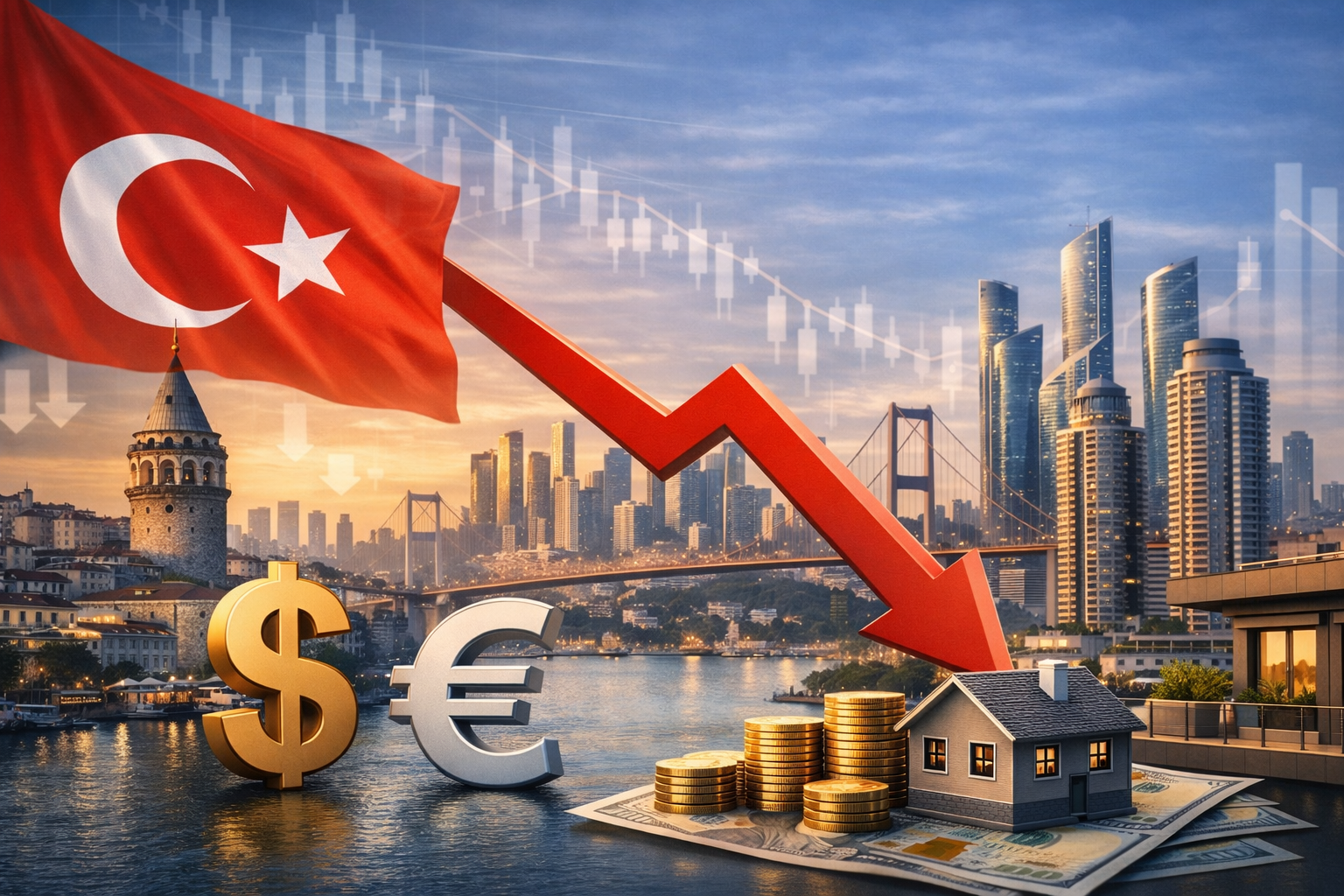
Does Exchange Rates Affect Real Estate Prices? A Realistic Analysis of the Turkish Property Market
Real Estate Is a Real Asset, Not a Currency
Real estate differs significantly from financial assets or currencies because it represents a tangible asset tied to land and physical infrastructure.
Even when exchange rates fluctuate, property values remain connected to stable factors such as:
- Location of the property
- Infrastructure and transportation access
- Demand for housing
- Urban development and government projects
For this reason, real estate typically maintains or increases its value over time, regardless of short-term currency volatility.
Inflation Increases Construction Costs
In economies experiencing inflation, the cost of building new properties rises due to:
- Higher land prices
- Increased construction material costs
- Labor expenses
- Development and infrastructure costs
As a result, developers must increase property prices to maintain profitability. This means that even if the local currency weakens, real estate prices often increase rather than decrease.
Property as a Wealth Protection Tool
Real estate is widely considered a safe investment for protecting capital during periods of currency volatility.
When exchange rates fluctuate, many investors shift their money into stable assets such as:
- Real estate
- Land
- Precious metals like gold
This shift often increases demand for property, supporting or even raising market prices.
Strong Real Demand in Istanbul
Istanbul is home to more than 16 million residents and continues to grow due to:
- Domestic migration
- International students
- Professionals relocating for work
- Foreign investors
This constant demand for housing means that the real estate market is primarily driven by real housing demand, not just exchange rate movements.
Foreign Investors Benefit from Currency Changes
When the Turkish lira weakens against the US dollar or euro, foreign investors gain greater purchasing power.
This allows international buyers to purchase property at more competitive prices in their own currencies. As a result:
- Foreign demand increases
- Property sales rise
- Market prices remain stable or grow
In many cases, exchange rate changes actually stimulate the real estate market rather than weaken it.
Long-Term Price Growth
Looking at the Istanbul real estate market over the past decade, property prices have steadily increased both in Turkish lira and in US dollars, particularly in modern residential developments.
This confirms that real estate in Istanbul should be viewed as a long-term investment, driven more by economic growth and urban expansion than by short-term currency fluctuations.
Conclusion
Exchange rate fluctuations do not necessarily reduce property values. In reality:
- Real estate is a tangible asset that preserves value over time.
- Inflation and rising construction costs tend to push property prices upward.
- Strong housing demand in Istanbul supports market stability.
- Currency depreciation can actually increase foreign investment demand.
For these reasons, many investors view Turkish real estate—especially in Istanbul—as a reliable long-term investment that combines capital appreciation with income potential.